
Introduction: The Communication Revolution in UAE Healthcare
The landscape of patient communication in Dubai's healthcare sector has undergone a dramatic transformation. From traditional phone calls and manual appointment confirmations to sophisticated AI-driven communication systems, the evolution reflects broader technological advancement across the UAE's healthcare infrastructure.
Healthcare practices throughout Dubai are increasingly recognizing that effective patient communication serves as the backbone of operational efficiency. Modern patients expect seamless, timely, and personalized interactions with their healthcare providers, creating pressure on clinics, spas, wellness centers, and medical practices to adopt more sophisticated communication strategies.
What nobody mentions is this: the most successful healthcare practices in Dubai aren't just implementing technology—they're strategically orchestrating multiple communication channels to create cohesive patient experiences that drive both satisfaction and business growth.
Phase 1: Assessment and Strategic Planning
The foundation of successful AI communication automation begins with comprehensive assessment of existing communication workflows within healthcare practices.
Current State Analysis
Healthcare managers must first document all existing patient touchpoints, from initial appointment booking through post-treatment follow-ups. This analysis should encompass appointment scheduling systems, reminder processes, insurance verification procedures, and patient feedback collection methods.
Consider an illustrative scenario: a multi-specialty medical center in Dubai Marina discovers through assessment that approximately three-quarters of missed appointments stem from inadequate reminder systems, while insurance claim delays create bottlenecks affecting patient satisfaction scores.
Technology Infrastructure Evaluation
Practices need to evaluate their current CRM capabilities, patient management systems, and integration possibilities. The assessment should identify gaps between existing tools and desired communication automation outcomes.
Key evaluation criteria include:
- Current patient database management capabilities
- Integration potential with existing healthcare software
- Staff technical proficiency levels
- Budget allocation for technology upgrades
- Compliance requirements with DHA regulations
Goal Definition and Success Metrics
Establish clear, measurable objectives for communication automation implementation. These might include reducing appointment no-shows, streamlining insurance processing, improving patient engagement rates, or enhancing staff productivity.
Phase 2: Platform Selection and Integration Strategy
Selecting appropriate communication platforms requires careful consideration of UAE market dynamics and patient preferences.
WhatsApp Business API vs SMS Comparison
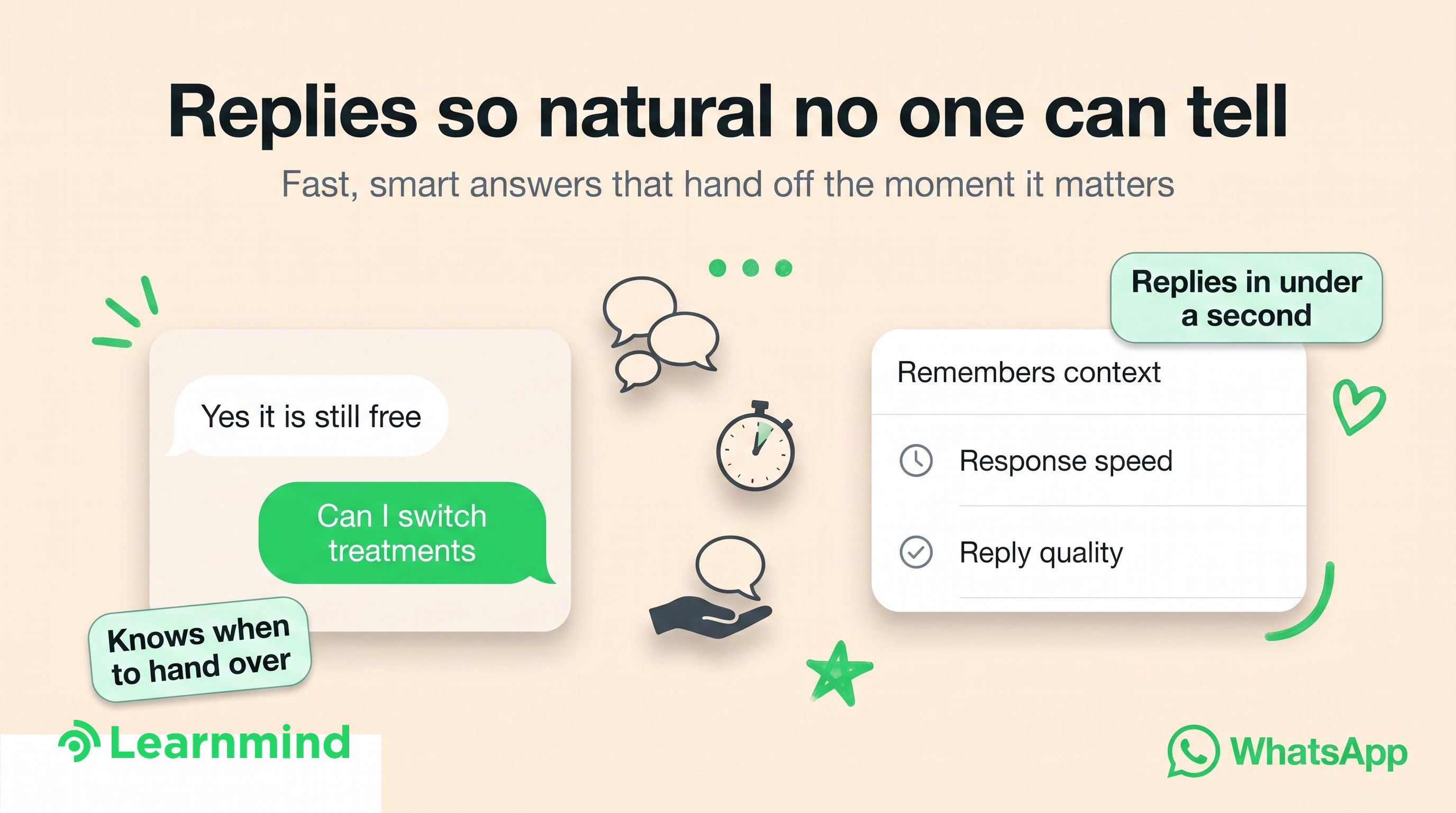
Research indicates that WhatsApp enjoys significantly higher engagement rates among Dubai residents compared to traditional SMS communications. The platform's multimedia capabilities, read receipts, and familiar interface create more engaging patient interactions.
Here's my unfiltered take: while SMS remains reliable for urgent, broad communications, WhatsApp's personal touch and visual capabilities make it particularly effective for appointment confirmations, treatment reminders, and wellness tips that many spas and wellness centers want to share with clients.
CRM System Integration Requirements
Leading CRM development companies in Dubai, including established firms like Apptunix and Quickworks, offer scalable solutions specifically designed for healthcare practices. These systems must seamlessly integrate with chosen communication platforms while maintaining patient data security.
Critical integration features include:
- Automated patient segmentation capabilities
- Appointment scheduling synchronization
- Insurance verification workflow automation
- Multi-language support for Dubai's diverse population
- Compliance with UAE data protection regulations
Technical Architecture Planning
Develop a comprehensive technical roadmap that outlines how different systems will communicate, data flow processes, and backup procedures. This architecture should account for future scalability as the practice grows.
Phase 3: Automated Appointment Management Implementation
Appointment management automation represents one of the most immediate value-generating implementations for healthcare practices.
Intelligent Scheduling Systems
Modern AI-driven scheduling systems can analyze historical patterns, predict optimal appointment times, and automatically handle basic scheduling requests. These systems learn from patient behavior patterns and practice availability to optimize booking efficiency.
For instance, a dental practice in Jumeirah might implement an AI system that automatically suggests appointment times based on patient preferences, treatment duration requirements, and dentist availability, while accounting for common UAE scheduling patterns around prayer times and cultural considerations.
Multi-Channel Reminder Automation
Effective reminder systems utilize multiple communication channels strategically. Initial reminders might be sent via WhatsApp for their engaging format, followed by SMS for more urgent, last-minute confirmations.
Here's the part that surprised me: practices that implement graduated reminder systems—starting with gentle wellness tips a week before appointments, followed by confirmations, then final reminders—see substantially higher attendance rates than those using single-touch reminder approaches.
Dynamic Rescheduling Capabilities
Advanced systems can automatically handle simple rescheduling requests, propose alternative appointment times, and even manage waiting lists. This functionality proves particularly valuable during UAE's seasonal patterns, including Ramadan scheduling adjustments and summer period modifications when many residents travel.
Phase 4: Insurance and Claims Processing Automation
Insurance claim processing represents a significant operational burden for many UAE healthcare practices, making automation particularly valuable.
Automated Verification Systems
AI-powered insurance verification can automatically check patient coverage, verify benefits, and identify potential claim issues before appointments occur. This proactive approach prevents delays and improves patient satisfaction.
RPA (Robotic Process Automation) technologies can handle routine verification tasks, cross-reference patient information with insurance databases, and flag exceptions for human review.
Intelligent Claims Submission
Automated claims processing systems can prepare, submit, and track insurance claims with minimal human intervention. These systems learn from successful claim patterns and adjust submission strategies to maximize approval rates.
Consider this illustrative scenario: a physiotherapy clinic implementing AI-driven claims processing discovers that automated systems can handle routine claims submission while flagging complex cases for specialist review, significantly improving both processing speed and accuracy.
Patient Communication Integration
Automated systems should keep patients informed throughout the insurance process, sending updates about claim status, required documentation, and payment processing. This transparency builds trust and reduces administrative phone calls.
Phase 5: Patient Engagement and Retention Automation
Beyond basic appointment management, sophisticated communication automation can drive patient engagement and long-term retention.
Personalized Health Reminders
AI systems can analyze patient treatment histories and send personalized reminders about follow-up care, preventive treatments, or wellness maintenance. For wellness centers and spas, this might include seasonal treatment recommendations or maintenance schedule suggestions.
What makes or breaks it: the personalization must feel genuine rather than mechanical. Successful systems incorporate patient preferences, treatment history, and cultural considerations relevant to UAE residents.
Educational Content Automation
Automated educational content delivery can position practices as trusted health advisors. Systems can send relevant health tips, treatment preparation instructions, or seasonal wellness advice based on patient profiles and regional health trends.
Feedback Collection and Response
Automated feedback systems can solicit patient reviews, handle basic inquiries, and escalate complex issues to appropriate staff members. This creates continuous improvement loops while maintaining high service standards.
Phase 6: Advanced AI Integration for Rehabilitation and Specialized Care
Healthcare practices offering specialized services can implement more sophisticated AI automation tailored to specific treatment protocols.
Rehabilitation Progress Tracking
AI-driven rehabilitation technologies, increasingly prominent in Dubai's physiotherapy clinics, can automate progress monitoring and adjust communication based on patient advancement. These systems can send encouragement, modify exercise reminders, or suggest appointment adjustments based on recovery patterns.
Treatment Protocol Automation
For practices offering standardized treatments, AI can automate pre-treatment instructions, post-treatment care reminders, and follow-up scheduling. This consistency improves outcomes while reducing staff workload.
Predictive Analytics for Patient Care
Advanced systems can identify patients at risk of missing appointments, requiring additional care, or showing signs of dissatisfaction. This enables proactive intervention that improves both patient outcomes and practice efficiency.
Phase 7: Optimization, Compliance, and Scaling
The final phase focuses on continuous improvement and sustainable growth of automated communication systems.
Performance Monitoring and Analytics
Implement comprehensive analytics to track system performance, patient satisfaction, and operational efficiency improvements. Key metrics might include appointment attendance rates, patient engagement scores, insurance processing times, and staff productivity measures.
Regular analysis should identify optimization opportunities and inform system adjustments. For example, practices might discover that certain communication timings work better for different patient demographics within Dubai's diverse population.
DHA Compliance and Data Security
Ensure all automated systems maintain compliance with UAE healthcare regulations and DHA requirements. This includes patient data protection, consent management, and audit trail maintenance.
Regular compliance reviews should verify that automated communications meet regulatory standards while protecting patient privacy and maintaining professional healthcare communication standards.
Scalability Planning
Design systems to accommodate practice growth, additional locations, or service expansion. Successful automation platforms should easily incorporate new communication channels, handle increased patient volumes, and integrate with additional healthcare technologies.
Staff Training and Change Management
Ongoing staff education ensures maximum benefit from automated systems. Training should cover system operation, patient interaction protocols, and troubleshooting procedures.
Change management strategies should address staff concerns about automation while highlighting how technology enhances rather than replaces human healthcare delivery.
Implementation Timeline and Best Practices
Successful implementation typically occurs over several months, with each phase building upon previous achievements. Practices should expect initial setup periods, testing phases, and gradual rollout to ensure smooth transitions.
Best practices include starting with high-impact, low-risk implementations like basic appointment reminders before advancing to more complex insurance automation or specialized treatment protocols.
Regular review cycles should assess system performance, patient feedback, and staff satisfaction to guide ongoing optimization efforts.
Conclusion: The Future of Healthcare Communication in Dubai
The strategic implementation of AI-powered communication automation represents more than technological advancement—it creates sustainable competitive advantages for healthcare practices throughout Dubai and the broader UAE.
Practices that successfully navigate these seven implementation phases position themselves to deliver superior patient experiences while achieving operational excellence. The combination of WhatsApp's engagement capabilities, intelligent CRM integration, automated insurance processing, and personalized patient communications creates comprehensive solutions that address the complex needs of modern healthcare delivery.
As Dubai continues establishing itself as a global healthcare destination, practices that master automated communication systems will lead the industry in both patient satisfaction and operational efficiency. The investment in systematic automation implementation pays dividends through improved patient retention, reduced administrative burden, and enhanced reputation in Dubai's competitive healthcare marketplace.