Dubai's healthcare service sector is experiencing an unprecedented transformation as AI-driven technologies reshape how clinics, spas, and wellness centers operate. With conferences focusing on AI in physical therapy and rehabilitation gaining prominence across the UAE, practice owners face a critical decision: adapt to the automation revolution or risk falling behind competitors who are already leveraging these technologies.
This comprehensive implementation guide provides a structured approach to introducing AI automation across all aspects of healthcare service businesses, from patient communications to insurance processing and operational management.
Phase 1: Foundation Assessment and Strategic Planning
Before implementing any automation technology, successful practices begin with a thorough evaluation of their current operational landscape. This foundational phase determines which processes will benefit most from automation and establishes realistic timelines for implementation.
Current State Analysis
Healthcare service businesses should conduct a comprehensive audit of existing workflows, identifying manual processes that consume significant staff time or create bottlenecks in patient care delivery. Common areas requiring assessment include appointment scheduling, patient communication, billing processes, inventory management, and compliance documentation.
Action Items for Phase 1:
- Document all patient touchpoints from initial inquiry to post-treatment follow-up
- Calculate time spent on manual administrative tasks across all staff levels
- Identify peak operational periods and seasonal fluctuations affecting workload
- Assess current technology infrastructure and integration capabilities
- Review DHA compliance requirements relevant to proposed automation systems
Most practices underestimate this: The foundation phase typically requires 4-6 weeks of thorough documentation and analysis. Rushing through this stage often leads to implementing automation solutions that don't address the most critical operational challenges.
Technology Readiness Evaluation
Dubai's healthcare practices must evaluate their technological infrastructure's capacity to support advanced automation systems. This includes assessing internet connectivity, existing software compatibility, staff technical proficiency, and data security measures.
Practices should also consider seasonal factors unique to the UAE market, such as Ramadan operating hours and summer slowdown periods when implementing new systems with minimal disruption to patient care.
Phase 2: Customer Relationship Management System Implementation
The second phase focuses on establishing a robust CRM foundation that serves as the central nervous system for all automated processes. Dubai's leading CRM development companies, including Apptunix, Quickworks, and UAE App Developers, offer scalable, cloud-based solutions specifically designed for healthcare service businesses.
CRM Platform Selection and Customization
Healthcare practices require CRM systems that integrate seamlessly with appointment scheduling, patient communication, and billing processes. The selection process should prioritize platforms that offer healthcare-specific features while maintaining flexibility for future expansions.
Action Items for Phase 2:
- Evaluate CRM platforms based on healthcare-specific functionality and UAE compliance requirements
- Configure patient data fields to capture comprehensive service history and preferences
- Establish automated workflows for appointment confirmations, reminders, and follow-ups
- Integrate payment processing and insurance claim management capabilities
- Set up reporting dashboards for tracking key performance indicators
This is where things get real: CRM implementation extends beyond software installation. Successful practices invest significant time in data migration, staff training, and workflow optimization to ensure the system enhances rather than disrupts daily operations.
Integration with Existing Systems
Modern healthcare practices often operate multiple software platforms for different functions. The CRM implementation phase must address integration challenges while maintaining data consistency across all systems.
Cloud-based CRM solutions offer particular advantages for Dubai's healthcare market, providing secure access for multi-location practices and enabling remote management capabilities that prove valuable during peak seasons or unexpected operational changes.
Phase 3: Communication Automation and Patient Engagement
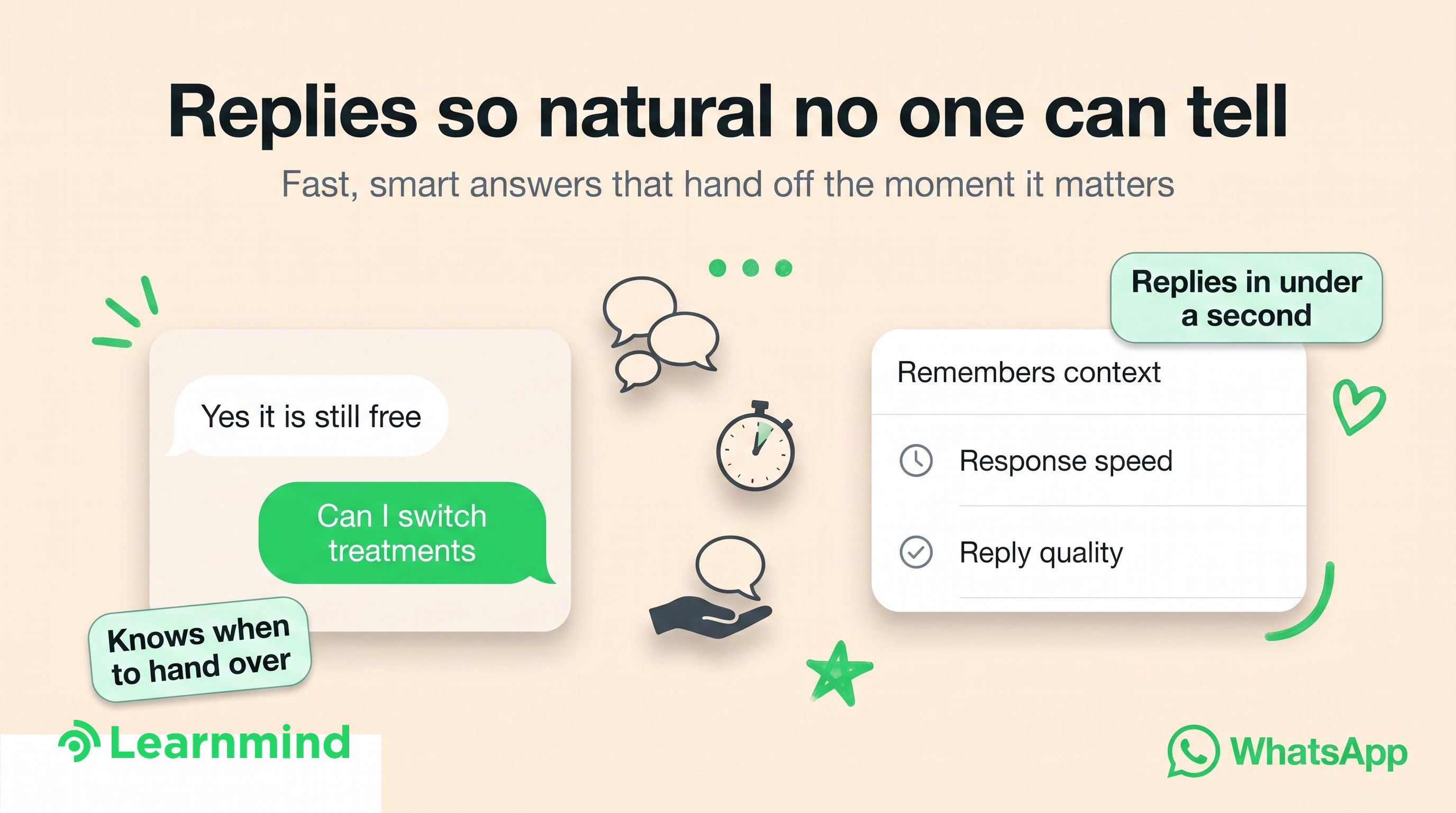
The third phase introduces automated communication systems that enhance patient engagement while reducing administrative burden. Dubai's healthcare market shows strong preference for WhatsApp-based communications due to high engagement rates and multimedia support capabilities.
WhatsApp Business API Implementation
WhatsApp's dominance in the UAE communication landscape makes it an essential platform for healthcare service automation. The Business API enables practices to send appointment reminders, treatment instructions, and follow-up surveys while maintaining compliance with local regulations.
Action Items for Phase 3:
- Obtain WhatsApp Business API access and configure automated messaging templates
- Establish SMS backup systems for urgent communications and broader reach
- Create multimedia content libraries for treatment instructions and educational materials
- Implement two-way communication channels for appointment rescheduling and inquiries
- Set up compliance protocols for message archiving and legal documentation
In practice, Dubai businesses are finding: WhatsApp messages can serve as legally admissible evidence in UAE courts when properly authenticated, making this platform particularly valuable for confirming appointments and treatment consent.
Multi-Channel Communication Strategy
While WhatsApp offers superior engagement for personal communications, SMS remains crucial for urgent notifications and reaching patients who may not actively use messaging apps. Successful practices implement hybrid communication strategies that leverage both platforms strategically.
Email automation complements messaging platforms for detailed treatment plans, insurance documentation, and formal communications that require comprehensive record-keeping.
Phase 4: Operational Process Automation
Phase four addresses the automation of core operational processes, including insurance claim processing, appointment scheduling optimization, and inventory management. These systems significantly impact both patient satisfaction and practice profitability.
Insurance Claim Processing Automation
Dubai's healthcare market benefits significantly from RPA (Robotic Process Automation) and AI-powered insurance claim processing solutions. These systems transform manual, time-consuming processes into proactive, accuracy-focused operations that improve cash flow and reduce administrative costs.
Action Items for Phase 4:
- Implement automated insurance verification and pre-authorization systems
- Configure AI-powered claim preparation and submission workflows
- Establish real-time claim status tracking and follow-up protocols
- Create automated patient billing and payment reminder systems
- Develop exception handling procedures for complex cases requiring manual intervention
Controversial take: Many healthcare practices delay insurance automation due to perceived complexity, but Dubai's insurance processing solutions have evolved to handle the majority of claims automatically, with manual intervention required for only a small percentage of cases.
Advanced Scheduling and Resource Optimization
AI-driven scheduling systems analyze historical patterns, seasonal fluctuations, and individual practitioner preferences to optimize appointment availability and reduce no-show rates. These systems prove particularly valuable during UAE-specific seasonal patterns, such as increased wellness service demand during cooler months.
Automated inventory management ensures treatment supplies remain adequately stocked while minimizing waste from expired products, a critical consideration for practices offering specialized treatments or maintaining extensive product lines.
Phase 5: Advanced AI Integration and Performance Optimization
The final phase introduces cutting-edge AI technologies that enhance treatment outcomes and operational efficiency. Dubai's physiotherapy clinics are already demonstrating the potential of AI-driven rehabilitation technologies, setting benchmarks for other healthcare service segments.
AI-Enhanced Treatment Planning and Monitoring
Advanced AI systems analyze patient history, treatment responses, and outcome data to support clinical decision-making and optimize treatment protocols. These technologies are particularly valuable for practices offering physiotherapy, wellness treatments, and ongoing care management.
Action Items for Phase 5:
- Implement AI-powered treatment recommendation systems based on patient history and outcomes
- Configure predictive analytics for identifying patients at risk of treatment non-compliance
- Establish automated progress monitoring and adjustment protocols
- Create personalized patient education and home care instruction systems
- Develop comprehensive reporting and analytics dashboards for continuous improvement
Compliance and Quality Assurance Automation
DHA compliance represents more than regulatory requirement fulfillment; it serves as a competitive differentiator for UAE healthcare businesses. Automated compliance monitoring ensures consistent adherence to regulatory standards while reducing the administrative burden of manual compliance tracking.
Quality assurance automation includes patient satisfaction monitoring, treatment outcome tracking, and staff performance optimization. These systems provide valuable insights for practice improvement while maintaining high standards of patient care.
Referral Program and Partnership Automation
Automated referral systems streamline partnerships with other healthcare providers, insurance companies, and wellness businesses. These programs can significantly expand patient acquisition while maintaining service quality standards.
Digital referral tracking provides comprehensive visibility into referral source effectiveness, enabling practices to optimize their marketing investments and strengthen valuable partnerships.
Implementation Timeline and Resource Allocation
Successful AI automation implementation typically spans 6-12 months, depending on practice size and complexity. Each phase requires dedicated resources and careful change management to ensure minimal disruption to ongoing operations.
Staff training represents a critical success factor throughout all implementation phases. Healthcare service businesses should budget significant time and resources for comprehensive training programs that ensure all team members can effectively utilize new automation systems.
Measuring Success and Continuous Improvement
Dubai's competitive healthcare market demands measurable improvements in efficiency, patient satisfaction, and profitability. Successful practices establish key performance indicators that track automation impact across all operational areas.
Regular system performance reviews and optimization cycles ensure automation systems continue meeting evolving business needs and regulatory requirements. This ongoing commitment to improvement distinguishes leading practices from those that implement automation as a one-time project rather than an ongoing strategic initiative.
The UAE's healthcare automation landscape continues evolving rapidly, with new technologies and capabilities emerging regularly. Practices that establish strong automation foundations position themselves to adapt and integrate future innovations seamlessly, maintaining their competitive advantage in Dubai's dynamic healthcare market.