A wellness spa in Toronto loses three bookings every night. Potential clients browse the website at 11 PM, find the phone number, then close their browser when they realise no one will answer. By morning, they've booked elsewhere.
This scenario repeats across thousands of service businesses daily. The gap between customer intent and business availability creates a revenue leak that most operators never quantify. Yet the businesses that close this gap gain a decisive competitive advantage.
The Hidden Cost of Business Hours
Service businesses typically capture inquiry-to-booking conversions during a narrow window—usually 9 AM to 6 PM on weekdays. But customer behaviour doesn't respect these boundaries. Evening and weekend inquiries often represent higher-intent prospects who have already researched their options.
The math becomes stark when you track it. A dental practice receiving five after-hours inquiries per week, with an average service value of $400, potentially loses $104,000 annually to competitors with better availability. The cumulative impact across all touchpoints—scheduling, questions, cancellations, rescheduling—multiplies this loss.
Building Your Always-On Infrastructure
The foundation of after-hours revenue capture rests on three interconnected systems: intelligent inquiry handling, automated scheduling, and proactive engagement loops.
Start with inquiry automation that goes beyond basic chatbots. Modern systems analyse customer language patterns to determine urgency, service interest, and booking likelihood. A massage therapy clinic can automatically prioritise inquiries about chronic pain over general wellness questions, routing urgent cases to emergency protocols while nurturing general inquiries with educational content.
Integration depth matters more than feature breadth. Your automation platform must connect seamlessly with existing booking systems, customer databases, and communication channels. Half-integrated solutions create data silos and frustrate both staff and customers.
Scheduling That Thinks Ahead
Automated scheduling extends far beyond calendar management. Intelligent systems consider provider preferences, service dependencies, travel time between appointments, and even weather impacts for mobile services.
A home cleaning service can automatically adjust scheduling when rain delays outdoor work, rebooking affected appointments while notifying customers of changes. The system learns from historical patterns—Thursday afternoon cancellations increase during school holidays, so it builds buffer time accordingly.
Compliance Without Complexity
Automated messaging walks a narrow line between engagement and intrusion. Regulations around SMS marketing and email communications have tightened significantly, with penalties reaching thousands of dollars per violation.
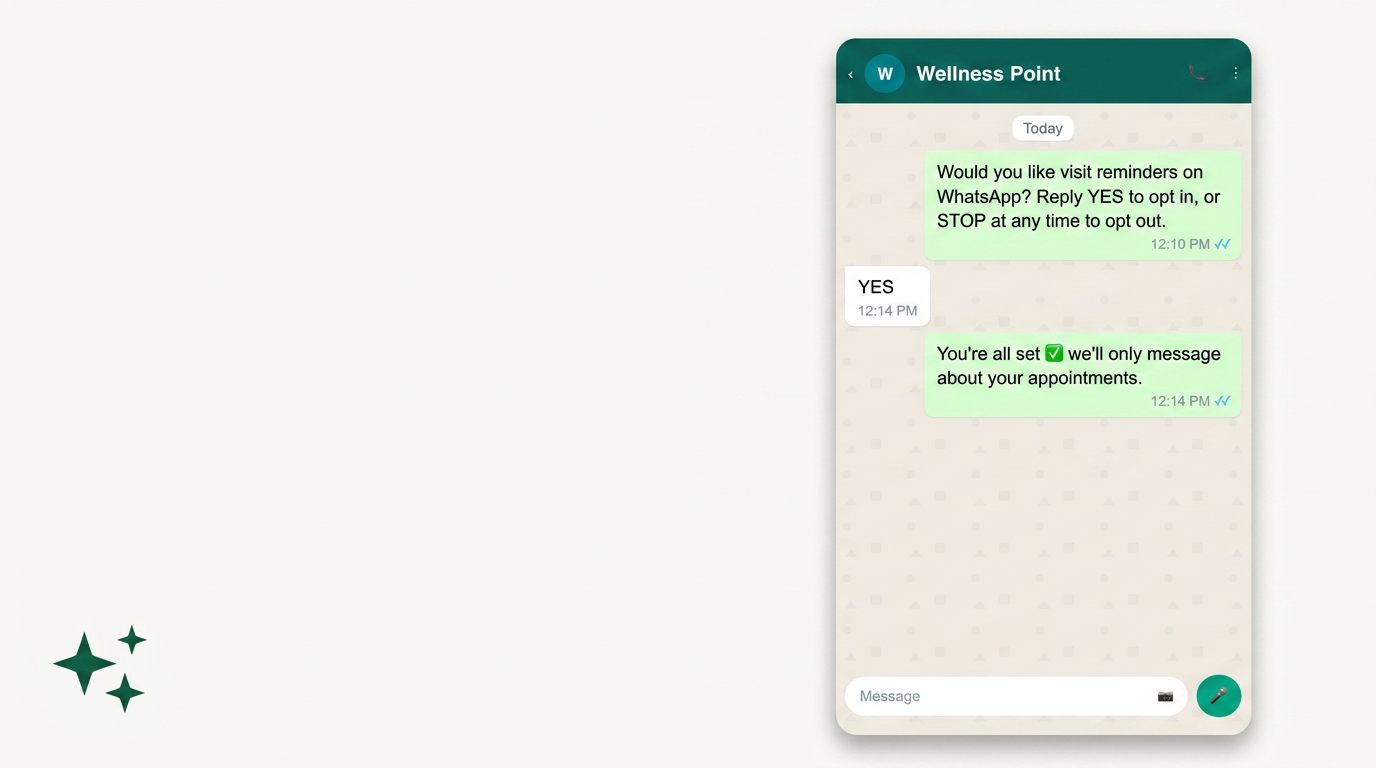
Every automated message must include clear opt-out mechanisms, accurate sender identification, and explicit consent trails. The complexity multiplies across jurisdictions—what's acceptable in Ontario may violate California regulations. Build compliance into your automation from day one, not as an afterthought.
Document everything. Maintain records of customer consent, opt-out requests, and communication preferences. Automated systems should flag potential compliance issues before messages send, not after complaints arrive.
The Retention Multiplier Effect
After-hours automation does more than capture new bookings—it fundamentally changes how existing customers interact with your business. Clients can reschedule appointments at midnight, ask questions on weekends, and receive proactive service reminders without human intervention.
This accessibility increases customer lifetime value through multiple vectors. Clients book more frequently when scheduling friction disappears. They're less likely to no-show when automated reminders arrive at optimal times. And they refer more often when their experience feels seamless and professional.
A veterinary clinic implementing comprehensive after-hours automation typically sees client retention rates improve by 15-25% within the first year, simply because pet owners can connect when they need to, not just when the clinic is open.
Technology Decisions That Matter
The build-versus-buy decision for service businesses usually favours buying, but not always from obvious vendors. Industry-specific platforms often deliver faster time-to-value than generic solutions requiring extensive customisation.
A dental practice benefits more from software designed specifically for dental workflows than from a horizontal CRM adapted for healthcare use. The specialised platform understands appointment types, insurance processing, and patient communication patterns without extensive configuration.
However, vendor lock-in poses real risks. Ensure any platform you choose can export data in standard formats and integrates with common business tools. Your automation investment should enhance business value, not create dependencies that limit future flexibility.
Integration Strategy
Successful automation implementations prioritise data flow over feature accumulation. Customer information should move seamlessly between systems—inquiry tracking, booking management, payment processing, and follow-up communications.
Map these flows before selecting technology. A customer inquiry should automatically populate scheduling systems, trigger appropriate follow-up sequences, and update customer records without manual intervention. Breaks in this flow create service gaps and operational inefficiencies.
Measuring What Moves Revenue
Standard metrics miss the full picture of after-hours automation impact. Track inquiry-to-booking conversion rates by time of day, not just overall percentages. Monitor no-show rates across automated versus manual reminder systems. Calculate the lifetime value difference between customers acquired through automated channels versus traditional methods.
The most revealing metric is often response time correlation with booking rates. Service businesses typically see booking conversions drop dramatically when response time exceeds two hours during business hours, or twelve hours for after-hours inquiries. Automation that responds within minutes captures significantly more revenue than systems that batch inquiries for morning review.
Implementation Without Disruption
Roll out after-hours automation gradually rather than switching everything at once. Start with inquiry capture and basic scheduling, then add complexity as staff and customers adapt to new workflows.
Train your team on automation capabilities before launch. Staff should understand what the system can and cannot handle, how to intervene when necessary, and how to access automation-generated data. The goal is augmenting human capability, not replacing human judgment.
Monitor closely during the first month. Automation systems learn from interaction patterns, so early performance may not reflect long-term capability. Adjust response templates, scheduling logic, and escalation triggers based on real customer behaviour, not theoretical workflows.
The businesses that master after-hours automation don't just capture more revenue—they fundamentally reshape customer expectations in their market. When your competitors still rely on business hours, your always-available service becomes the new standard customers expect everywhere.