A therapist's day shouldn't revolve around chasing down appointment confirmations, managing cancellations, and untangling scheduling conflicts. Yet most mental health practices operate with systems that create more administrative burden than therapeutic value. The solution isn't adding more staff—it's removing the friction that keeps practitioners from focusing on patients.
The Hidden Cost of Manual Operations
Mental health practices typically lose 15-30% of potential revenue to administrative inefficiencies. No-shows alone can cost a solo practitioner upwards of $20,000 annually. When front desk staff spend half their time on scheduling-related tasks rather than patient support, the entire practice suffers.
The numbers tell a clearer story than the narratives: practices using intelligent scheduling systems report 25-40% fewer no-shows and can handle 20% more appointments with the same staff. This isn't just about efficiency—it's about creating space for what matters.
Choosing Your Automation Foundation
Not all booking systems are created equal. The difference between a basic calendar tool and an intelligent scheduling platform lies in what happens between appointments. Look for systems that handle:
- Automated confirmation sequences with customizable timing
- Waitlist management that fills cancellations within minutes
- Integration with existing practice management software
- Mobile-optimized patient portals
- Real-time availability updates across multiple practitioners
The most effective implementations start small. A group practice in Toronto moved from paper scheduling to automated booking by first digitizing just their intake appointments. Within six weeks, they expanded the system to cover all services after seeing a 60% reduction in scheduling-related phone calls.
Smart Confirmation and Reminder Workflows
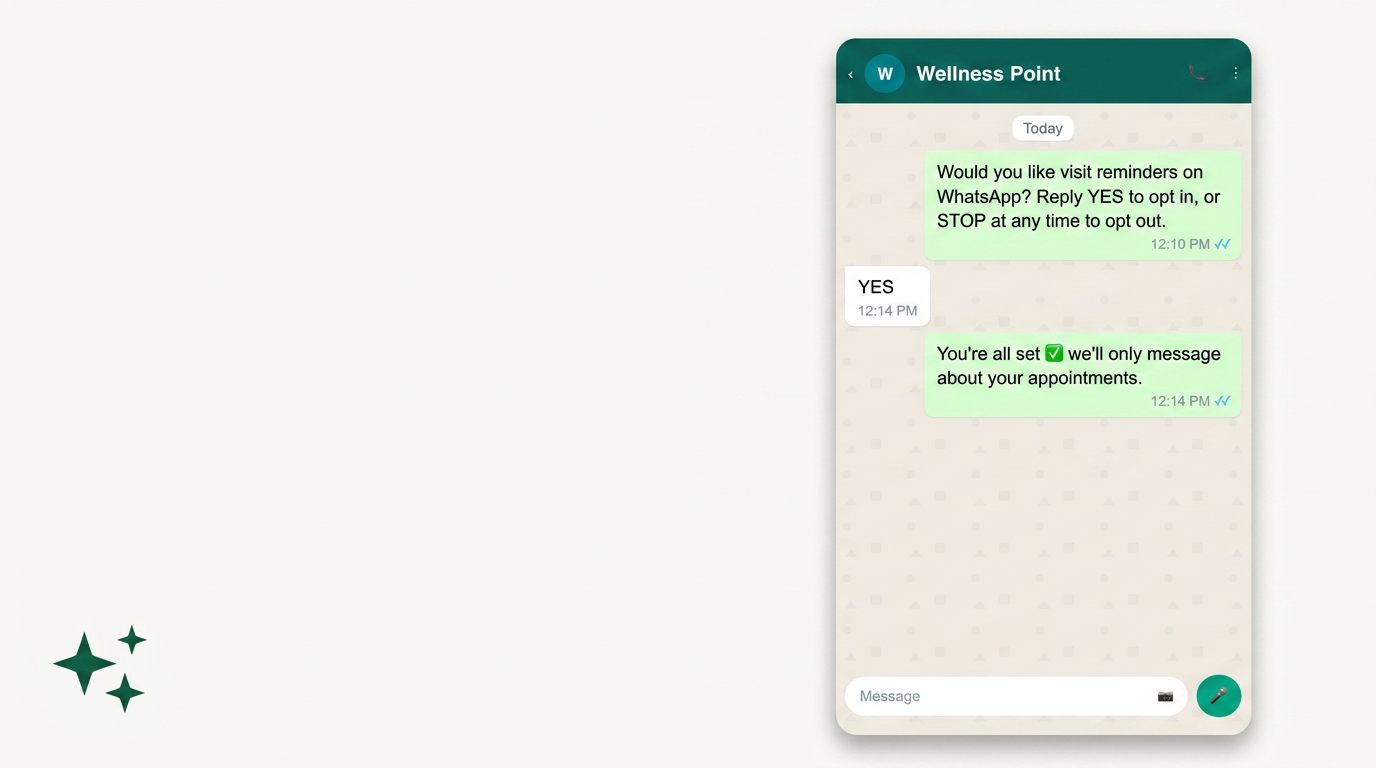
Traditional reminder systems send the same message to every patient at the same time. Intelligent automation adapts to individual patterns. Patients who typically confirm immediately receive different messaging than those who need multiple touchpoints.
The most effective reminder sequences use multiple channels: an initial text 48 hours before the appointment, an email 24 hours prior, and a final confirmation call for high-risk patients. This layered approach reduces no-shows by up to 40% compared to single-channel reminders.
Worth noting: patients want personalization until they realize what data it requires. Balance customization with privacy by focusing on behavioral patterns rather than personal details.
Handling Cancellations Intelligently
When a patient cancels, automated systems can immediately offer the slot to waitlisted patients, often filling it within hours. Some practices implement dynamic pricing for last-minute bookings, offering discounted rates for appointments booked with less than 24 hours notice.
Integration Without Disruption
The biggest implementation mistake is trying to replace everything at once. Successful practices phase their automation deployment to minimize disruption while maximizing early wins.
Start with patient-facing booking for new appointments while maintaining existing systems for current patients. This approach allows staff to learn the new system without compromising service quality. Once confidence builds, expand to include existing patients and more complex scheduling scenarios.
Data migration deserves special attention. Most practices underestimate the time required to clean and transfer patient information. Plan for 2-3 weeks of parallel systems while ensuring data integrity throughout the transition.
Staff Training That Actually Sticks
Technology adoption fails when staff see automation as a threat rather than a tool. Frame the conversation around what automation enables rather than what it replaces. When administrative tasks decrease, staff can focus on patient care, insurance verification, and practice growth initiatives.
Create clear protocols for common scenarios: how to handle booking conflicts, manage emergency appointments, and escalate technical issues. Staff confidence grows when they know exactly how to handle exceptions.
Measuring Success Beyond Efficiency
Track metrics that matter to patient care, not just operational efficiency. Yes, measure no-show rates and booking conversion, but also monitor patient satisfaction scores, average response time to inquiries, and staff overtime hours.
A family therapy practice in Melbourne found that automated scheduling reduced their average patient wait time from 3 weeks to 10 days—not because they added capacity, but because the system optimized existing slots more effectively.
ROI Calculation Framework
Calculate return on investment across multiple dimensions:
- Direct cost savings: Reduced administrative time, fewer missed appointments
- Revenue optimization: Improved slot utilization, faster booking cycles
- Quality improvements: Better patient experience, reduced staff stress
Most practices see positive ROI within 6-8 months, with returns typically ranging from 15-25% annually once systems stabilize.
Compliance and Data Protection
Mental health data requires heightened security measures. Ensure your chosen platform meets HIPAA requirements in the US, PIPEDA in Canada, or GDPR in Europe. This surprised me when I first saw the data: compliance violations in healthcare average $7.8 million in penalties, making security investments essential rather than optional.
Regular security audits, staff training on data handling, and clear patient consent processes aren't just regulatory requirements—they're trust-building measures that differentiate professional practices from casual service providers.
Looking Beyond Scheduling
Once scheduling automation stabilizes, practices can expand to other areas: automated insurance verification, treatment plan reminders, and outcome tracking. The goal isn't to automate everything, but to remove administrative friction that prevents quality care.
The underlying pattern here: successful automation enhances human connection rather than replacing it. When practitioners spend less time managing calendars, they can invest more energy in therapeutic relationships and clinical excellence.
Mental health practice automation isn't about technology—it's about creating systems that honor both practitioner time and patient needs. The practices that embrace this balance will find themselves better positioned to serve their communities while building sustainable, profitable operations.