A thriving GP clinic in Manchester processes 200 patient appointments weekly across three providers. Their patient records live in one system, appointment scheduling in another, and billing in a third. When patients call with questions, staff spend valuable minutes jumping between platforms to piece together a complete picture. This fragmentation isn't just inefficient—it's costing them patients who expect the seamless service they receive everywhere else.
The solution isn't necessarily replacing everything. The most successful healthcare practices are finding ways to connect their existing systems while automating the repetitive tasks that drain staff energy and create patient friction.
Mapping Your Current Patient Journey Touchpoints
Before automating anything, successful practices audit every patient interaction from first contact to follow-up care. This reveals where automation can have the greatest impact on both operational efficiency and patient satisfaction.
Start with appointment scheduling. Many practices lose patients during this initial interaction when staff are overwhelmed or systems are down. AI-powered scheduling tools can handle routine bookings 24/7 while flagging complex cases for human attention. The key is ensuring these systems integrate with existing practice management software rather than creating another data island.
Patient communication represents another high-impact area. Rather than sending generic appointment reminders, automated systems can deliver personalised messages based on the patient's history, upcoming procedures, or specific health conditions. A diabetes patient might receive pre-appointment instructions about fasting requirements, while a routine check-up patient gets a simple confirmation.
Building Unified Patient Data Without Complete System Overhaul
The most effective approach involves creating data bridges between existing systems rather than ripping and replacing established workflows. Modern integration platforms can connect practice management software with communication tools, billing systems, and patient portals without disrupting daily operations.
Customer relationship management (CRM) systems adapted for healthcare can serve as this central hub. When properly implemented, these systems can boost staff productivity by significant margins—some practices report efficiency gains of 30-40% within six months of implementation. Staff spend less time hunting for information and more time focusing on patient care.
The critical factor is ensuring all patient interactions are captured in one place. Whether a patient calls with a question, books online, or visits in person, that information should be immediately available to any staff member who needs it. This unified view enables more personised service and reduces the frustration of patients repeating their information multiple times.
Automating High-Volume, Low-Complexity Tasks
The most successful healthcare automation focuses on tasks that happen frequently but don't require clinical judgment. Appointment confirmations, prescription refill notifications, and basic patient education can be automated without compromising the human touch where it matters most.
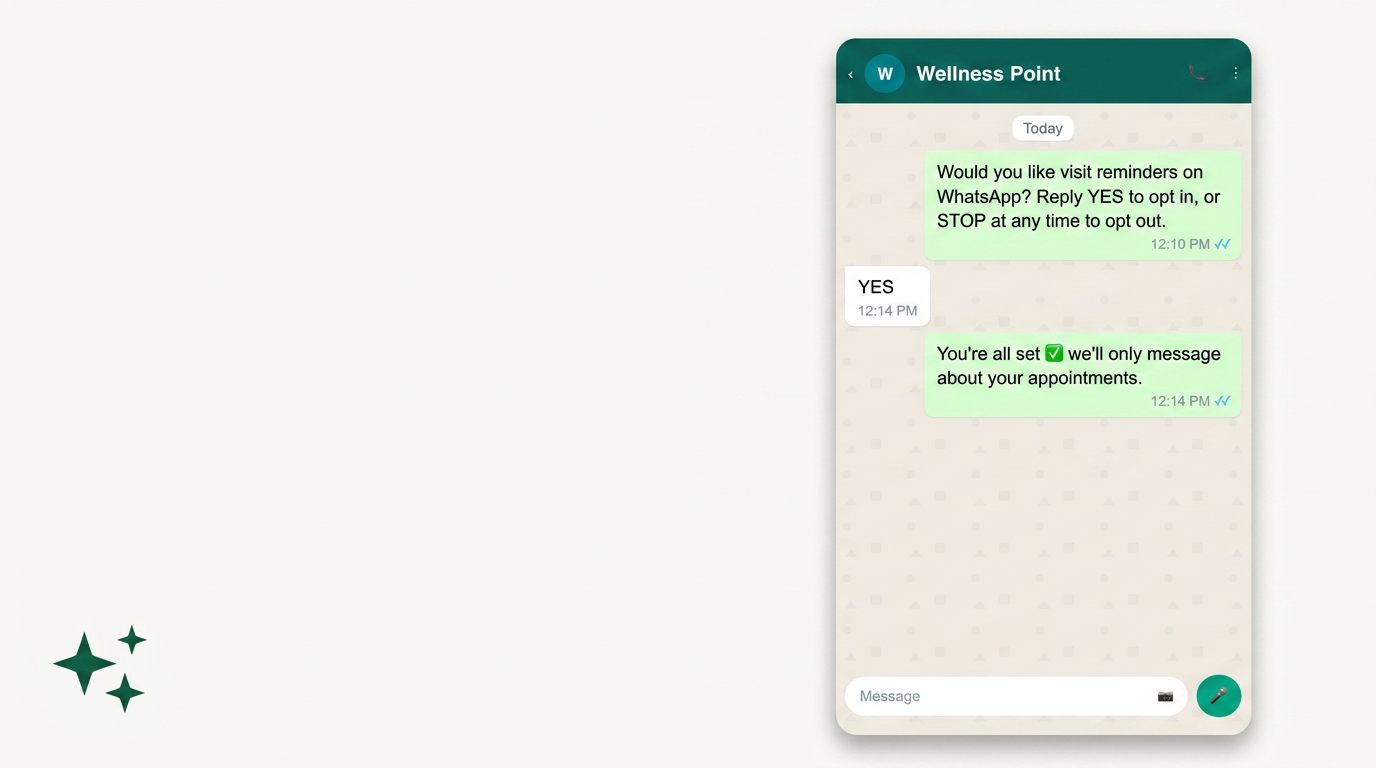
SMS automation has proven particularly effective for routine communications. Patients appreciate timely, relevant messages about their care. The key is obtaining explicit consent and ensuring messages provide genuine value. A well-designed SMS sequence might include:
- Appointment confirmation with relevant preparation instructions
- Day-before reminders with parking or location details
- Post-visit follow-up with care instructions or next steps
- Prescription refill reminders based on medication schedules
These automated touchpoints keep patients engaged with their care while freeing staff to handle more complex interactions that require human expertise.
Creating Feedback Loops That Improve Both Service and Retention
Automated systems excel at gathering and analysing patient feedback in ways that manual processes cannot match. Real-time satisfaction surveys sent after appointments can identify issues before they escalate into patient departures.
More importantly, these systems can track patterns across patient interactions. If multiple patients express confusion about post-procedure instructions, the practice can refine their communication process. If appointment scheduling generates frequent complaints, staff can investigate and adjust.
This continuous improvement approach turns patient feedback into operational intelligence. Practices using these systems often see measurable improvements in patient satisfaction scores and, crucially, higher retention rates over time.
Staff Training and Change Management Strategies
Technology implementation succeeds or fails based on staff adoption. The most effective approach involves identifying internal champions who can help colleagues navigate new systems and workflows.
Start with comprehensive training that focuses on how automation makes staff jobs easier rather than threatening job security. When staff understand that automation handles routine tasks so they can focus on patient care, resistance typically decreases significantly.
Regular check-ins during the first few months help identify pain points and adjustment opportunities. Some practices find that initial automation reveals workflow inefficiencies that weren't apparent before, creating opportunities for further improvement.
Measuring Success Beyond Traditional Metrics
Patient retention improvement from these systems often takes 6-12 months to become apparent in the data. More immediate indicators include reduced phone call volume for routine questions, faster response times to patient inquiries, and improved staff satisfaction scores.
The most telling metric is often staff overtime reduction. When automation handles routine tasks efficiently, staff can complete their work within regular hours while providing better patient service. This creates a positive feedback loop that benefits both patient experience and staff retention.
Financial impact becomes clearer over time as patient acquisition costs decrease and lifetime patient value increases. Practices with strong automated systems often find they can grow their patient base without proportionally increasing administrative staff.
The goal isn't to replace human interaction in healthcare—it's to ensure that when human interaction occurs, it's meaningful, efficient, and focused on what matters most to patient outcomes.